
Formerly
Care Clinic Infusions
Transcranial Magnetic Stimulation is a non-invasive brain stimulation treatment that uses targeted magnetic pulses to restore activity in the underactive brain circuits that drive depression, OCD, anxiety, and PTSD.
Accepted Insurance & Partners


Transcranial Magnetic Stimulation (TMS) is an FDA-cleared, non-invasive therapy that uses magnetic fields to stimulate nerve cells in the brain. It's primarily used to treat depression when other treatments haven't worked, and is also approved for OCD and anxiety in certain cases.
TMS is designed for people who have tried antidepressant medications without success, or who can't tolerate medication side effects. It's also an option for those who prefer a non-drug approach to mental health treatment. The American Psychiatric Association recognizes TMS as an evidence-based treatment for major depressive disorder.
TMS uses magnetic pulses without surgery or anesthesia. You sit in a treatment chair during the session. Session length depends on the protocol. Ask your care team when driving, work and other activities are appropriate for you.
The National Institute of Mental Health describes rTMS as an option for depression when other treatments have not helped. A clinical evaluation considers your diagnosis, treatment history and individual risks.

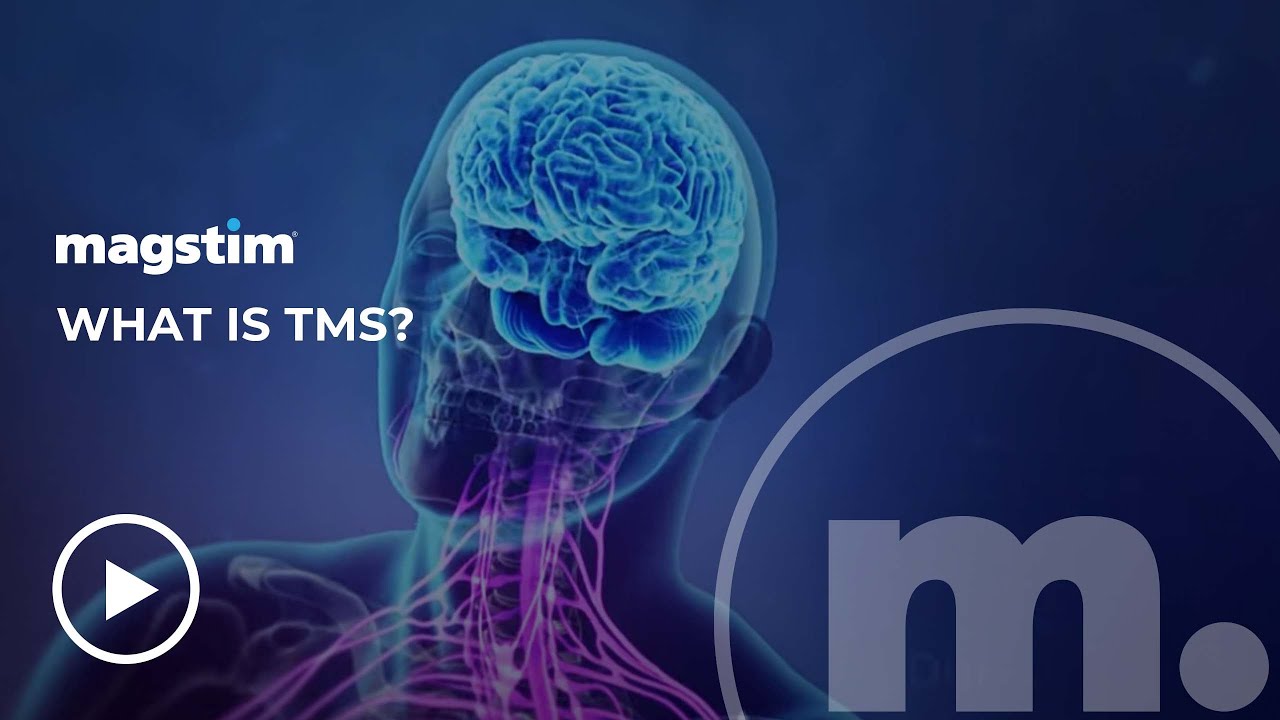
TMS uses magnetic pulses and does not require anesthesia or deliberately induce a seizure. Your clinician will review the expected benefits, possible side effects, and whether this treatment is appropriate for you.
Discuss scalp discomfort, headache, hearing protection, seizure risk and any implanted devices with your clinician. The FDA's rTMS safety guidance describes these considerations. Ask your care team what activities are appropriate after your treatment.
The National Institute of Mental Health and American Psychiatric Association describe TMS as a treatment option for selected patients. Common side effects include scalp discomfort and headache; seizures are a rare risk. A clinical evaluation is needed to review the treatment indication, relevant devices or implants, medical history, and individual risks.
TMS delivers magnetic pulses through a coil placed against the scalp to stimulate brain areas involved in mood regulation. The National Institute of Mental Health explains brain stimulation therapies; this overview does not establish a single pattern of reduced brain activity across depression, anxiety, OCD and PTSD.
The THREE-D trial (Blumberger et al., 2018) compared 3-minute iTBS with 37.5-minute standard rTMS in adults with treatment-resistant depression. iTBS was non-inferior for improvement in depressive symptoms within that trial. These symptom outcomes do not demonstrate that treatment resets brain circuits.
A meta-analysis by Berlim and colleagues (2014) included 29 sham-controlled trials with 1,371 participants with major depression. High-frequency rTMS had higher response and remission rates than sham treatment. Results vary across patients and treatment protocols.
The 2016 Clinical TMS Society consensus review describes a commonly used depression treatment course with daily weekday sessions over 4–6 weeks. Session length and the overall course depend on the protocol and individual treatment plan. Improvement timing varies; no schedule guarantees a response.

TMS stands out as a non-invasive, drug-free treatment that doesn't require anesthesia or lead to systemic side effects like weight gain, fatigue, or sexual dysfunction – issues commonly associated with antidepressants.
TMS does not deliberately induce a seizure as ECT does, but seizures are a rare risk. It is usually delivered without anesthesia in a clinic. Discuss side effects and post-treatment activities with your care team.
In an observational study of 307 patients at 42 U.S. practice sites, Carpenter and colleagues (2012) reported clinician-rated response and remission rates of 58.0% and 37.1% after an acute TMS course. These uncontrolled practice outcomes are not a comparison with other treatments or a prediction of an individual result.
National Institute of Mental Health. Brain Stimulation Therapies. nimh.nih.gov
Blumberger et al. (2018). Effectiveness of theta burst versus high-frequency repetitive transcranial magnetic stimulation in patients with depression (THREE-D): a randomised non-inferiority trial. PubMed study record
Berlim et al. (2014). Response, remission and drop-out rates following high-frequency repetitive transcranial magnetic stimulation (rTMS) for treating major depression: a systematic review and meta-analysis of randomized, double-blind and sham-controlled trials. PubMed review record
Perera et al. (2016). The Clinical TMS Society Consensus Review and Treatment Recommendations for TMS Therapy for Major Depressive Disorder. PMC full text
Carpenter et al. (2012). Transcranial magnetic stimulation (TMS) for major depression: a multisite, naturalistic, observational study of acute treatment outcomes in clinical practice. PubMed study record
American Psychiatric Association. What is TMS? psychiatry.org
U.S. Food and Drug Administration. Repetitive Transcranial Magnetic Stimulation (rTMS) Systems: Class II Special Controls Guidance for Industry and FDA Staff (2011). fda.gov

Our comprehensive, psychiatrist-approved guide provides key answers about Transcranial Magnetic Stimulation to help you evaluate your treatment options:
We respect your privacy. Unsubscribe at any time.

Now that you understand what to expect during TMS therapy, the next step is a consultation with Dr. Arora. We'll review your medical history, discuss your treatment goals, and create a personalized plan tailored to your specific needs.
Your TMS journey begins with a single conversation. We'll verify your insurance coverage before your first session, explain the treatment timeline, and answer any questions you have about the process. Many patients feel relief simply knowing they have a clear path forward.
Our Fairfax clinic serves patients throughout Northern Virginia, including McLean, Vienna, Reston, Arlington, Falls Church, and the greater DC metro area. We're here to guide you through every step of your TMS treatment experience.

The Care Clinic is now Resova Health.
A new name and a bold new chapter in mental health care.The name is new. The purpose is not.
