Skip to main content Skip to content
FDA-Cleared, Non-Invasive

TMS Therapy in
Fairfax, VA

TMS treatment and Transcranial Magnetic Stimulation is a non-invasive brain stimulation treatment that uses targeted magnetic pulses to restore activity in the underactive brain circuits that drive depression, OCD, anxiety, and PTSD.

Request an Evaluation How It Works How to Prepare Accelerated TMS
Scroll to explore

Accepted Insurance & Partners

Why Choose TMS Therapy?

TMS Therapy offers hope for depression, anxiety, OCD, PTSD, and other mental health conditions. When traditional treatments haven't worked, TMS provides a proven path forward.
Understanding TMS Therapy Video

Effective for Treatment-Resistant Depression

If you've tried multiple medications with little relief, TMS Therapy is a proven alternative. By directly stimulating underactive areas of the brain, it addresses the root causes of depression instead of just masking symptoms.

Minimal Side Effects

Unlike antidepressants, which can cause fatigue, weight gain, or emotional blunting, TMS has few known side effects, such as mild scalp discomfort during treatment.

Non-Invasive and Anesthesia-Free

There's no need for needles, sedation, or lengthy hospital stays. TMS sessions are quick, comfortable, and allow you to go about your day immediately afterward.

Covered by Insurance

Most major insurance providers, including Medicare, recognize the value of TMS Therapy and cover the treatment for eligible patients. Cash pay rates are also available.

The Science

How TMS Stimulates the Brain

TMS therapy uses electromagnetic induction – the same physics principle behind MRI machines – to deliver focused magnetic pulses through the scalp and skull without surgery, anesthesia, or medication.

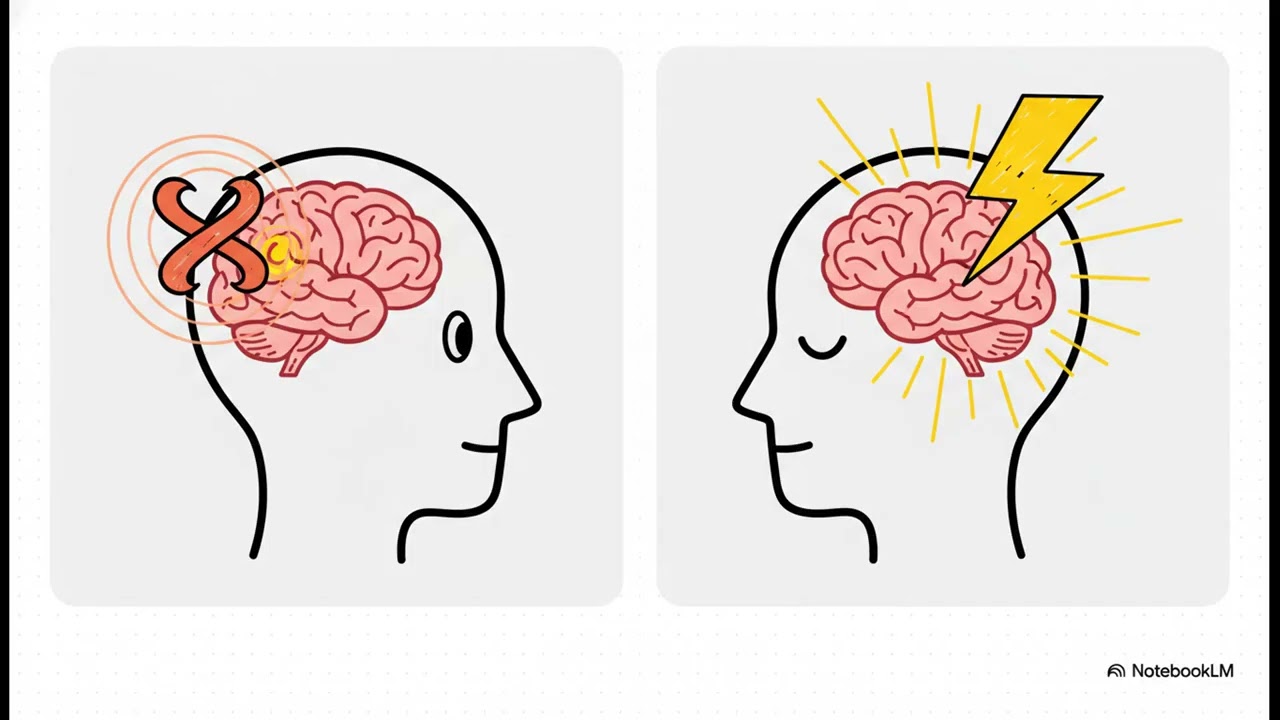
A coil placed against the scalp generates a rapidly alternating magnetic field. This field passes painlessly through the skull and induces a small electrical current in the targeted brain tissue beneath. That current stimulates neurons in the targeted region to fire – essentially jump-starting underactive circuits.

For depression and anxiety, TMS targets the left dorsolateral prefrontal cortex (DLPFC) – the brain's executive and mood-regulation center, which shows consistently reduced metabolic activity in people with major depressive disorder. For OCD, a different coil and target are used: the medial prefrontal cortex and anterior cingulate cortex, the circuits responsible for the intrusive thought-compulsion loop.

Our TMS systems

We treat with two FDA-cleared TMS platforms, NeuroStar Advanced Therapy and Magstim. Having both lets Dr. Arora match the coil, the stimulation protocol and the session length to your diagnosis and your schedule, instead of fitting every patient to one machine.

Starting treatment? Read how to prepare for your TMS sessions, from the mapping visit to the six-week schedule.

With repeated sessions, TMS induces lasting changes in cortical excitability through long-term potentiation (LTP) – the same mechanism underlying learning and memory formation. The brain circuits don't just activate during treatment; they reorganize and strengthen over the course of the full protocol.

TMS Therapy brain stimulation diagram
TMS vs Antidepressants

Why Patients Choose TMS Treatment in Northern Virginia

TMS and antidepressants work through completely different mechanisms. Neither is universally better – but for patients who have been failed by medications, TMS addresses the biology that medications cannot reach.

TMS Therapy

TMS Therapy

Recommended
  • Non-invasive, no systemic side effects
  • No weight gain, sexual dysfunction, or GI effects
  • No anesthesia or sedation required
  • Drive yourself home after every session
  • 50–60% response rate (non-responders)
  • ~33% achieve full remission
  • FDA-cleared for MDD and OCD
  • Daily sessions, 20-30 minutes each
Antidepressants

Antidepressants

SSRIs/SNRIs
  • 4–8 weeks before any therapeutic effect
  • Weight gain, sexual side effects common
  • Discontinuation syndrome when stopping
  • ~30–40% response on first trial
  • Acts only on serotonin/norepinephrine systems
  • Doesn't target neural circuits
  • Requires daily adherence
  • 4–8 weeks to see effects

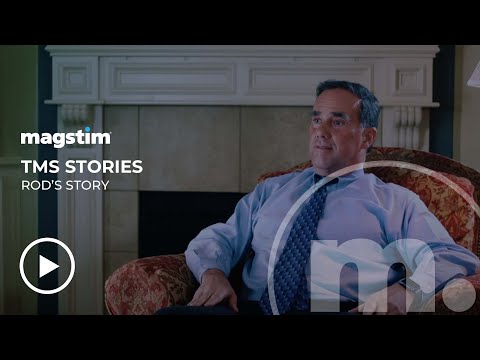
What Real Patients Say

Hear directly from individuals who have achieved remission and found lasting relief through TMS therapy.

Peer-Reviewed Science & Clinical Reality Check

Is TMS or Ketamine Therapy Pseudoscience?
The Peer-Reviewed Clinical Facts

When standard antidepressant medications fail, patients and families often wonder if advanced neuromodulation is legitimate or experimental. Here is the peer-reviewed evidence, FDA status, and academic research behind our treatments.

FDA-Cleared Since 2008

TMS therapy is not experimental or pseudoscience. It received initial FDA clearance for Treatment-Resistant Depression in 2008, followed by FDA clearances for OCD (2018) and Anxious Depression (2020).

Stanford & Harvard Medical Trials

Published in the American Journal of Psychiatry, landmark trials from Stanford University (SAINT protocol) and Harvard Medical School demonstrated acute remission rates up to 79%–90% in severe depression.

APA & VA/DoD Practice Guidelines

Both the American Psychiatric Association (APA) and the Department of Veterans Affairs / Department of Defense formally endorse TMS as a primary treatment recommendation for treatment-resistant Major Depressive Disorder.

Coverage Through Insurance

Insurance companies require extensive randomized controlled trial (RCT) evidence before approving coverage. Plans such as BCBS, Aetna, Cigna, UnitedHealthcare, Medicare and TRICARE may cover TMS therapy, depending on your plan; not every plan covers it, and prior authorization is required.

Have Questions About Your Specific Medical History?

A clinical consultation can help determine which treatment options may be appropriate for you. Request an appointment with Dr. Siddharth Arora, DO, MS.

Request a Consultation
What to Expect

Your First 30 Days at Resova
A Step-by-Step Clinical Journey

From your initial 1-on-1 consultation with Dr. Arora through your final remission milestone, here is exactly what your care experience looks like.

Day 1

Comprehensive Evaluation

90-minute initial consultation with Dr. Siddharth Arora, DO, MS. We map your brain motor threshold and customize your 3-minute theta burst TMS or IV ketamine protocol.

Week 1

Initial Neuro-Activation

Begin daily 3-minute theta burst sessions or initial infusion series. Early neural pathway stimulation begins triggering synaptogenesis and BDNF release.

Week 2 – 3

Noticeable Symptom Relief

Patients report significant mood elevation, improved sleep quality, and reduced anxiety. Weekly PHQ-9 and GAD-7 scores track measurable progress.

Day 30+

Remission & Stabilization

Over 60% of patients achieve clinical response and >40% reach complete remission. Customized maintenance care plan coordinated with your referring doctor.

Frequently Asked Questions

Common questions about Transcranial Magnetic Stimulation (TMS) therapy coverage, costs, and clinical protocols.

Yes, most major insurance plans, including Medicare, cover TMS Therapy for eligible patients. Our team will verify your benefits and handle the entire pre-authorization paperwork to make care accessible.
Cash pay rates for TMS therapy vary by treatment plan, but at Resova Infusions and TMS, each session averages $200-250, up to 36 sessions. A full 36-session package is available for $5,880 (reflecting a 20% discount).
TMS is known for its minimal side effects. Unlike medications, it does not cause systemic side effects like weight gain, fatigue, or sexual dysfunction. Some patients experience mild scalp discomfort or a light headache during or immediately after a session, which resolves quickly.
Standard traditional protocols take about 20 minutes. We also offer advanced theta burst protocols that can be completed in as little as 3 minutes, making it incredibly convenient to fit into your busy schedule.
Many patients begin to notice improvements in mood, energy levels, and concentration within the first 2 to 3 weeks of consistent treatment, though the timeline varies by individual.
TMS is typically recommended for adults with Major Depressive Disorder (MDD) who have tried antidepressant medications and/or therapy without finding adequate relief. It is also FDA-cleared for Obsessive-Compulsive Disorder (OCD).
Yes. TMS is a highly secure, FDA-cleared medical treatment. It is completely drug-free, non-invasive, does not affect cognitive function or memory, and is backed by years of robust clinical trials.
No, TMS therapy is a non-invasive and generally pain-free procedure. Patients typically feel a light tapping sensation on their scalp during the session, which is well-tolerated by most individuals.
A standard clinical course of TMS consists of brief sessions scheduled 5 days a week for a total duration of 6 weeks (usually 30 to 36 sessions total).
Yes. TMS therapy can be safely combined with ongoing psychiatric medications, psychotherapy, or other interventional treatments like ketamine infusions, under the close coordination of our medical director.
A calming clinical backdrop for the contact section

Begin Your TMS Journey

Ready to Take the Next Step?

Now that you understand what to expect during TMS therapy, the next step is a consultation with Dr. Arora. We'll review your medical history, discuss your treatment goals, and create a personalized plan tailored to your specific needs.

Your TMS journey begins with a single conversation. We'll verify your insurance coverage before your first session, explain the treatment timeline, and answer any questions you have about the process. Many patients feel relief simply knowing they have a clear path forward.

Our Fairfax clinic serves patients throughout Northern Virginia, including McLean, Vienna, Reston, Arlington, Falls Church, and the greater DC metro area. We're here to guide you through every step of your TMS treatment experience.

Call us 571-418-8141 ext. 6
Email us infusions@resovahealth.com
Connect with us
🌿

Ivy

Clinical Care Coordinator
Welcome to Resova Infusions. This secure portal is for scheduling requests and identity verification only. It does not provide medical diagnoses, treatment instructions, or prescriptions. Specialty therapies, including Ketamine infusions, Spravato (esketamine), and TMS (Transcranial Magnetic Stimulation), are strictly clinical procedures requiring comprehensive in-office evaluations and are administered under direct medical supervision; they cannot be prescribed or initiated via chat, though appointments for initial clinical consultations can be requested here. This system is not monitored for psychiatric crises. If you are experiencing an emergency, please call 911, go to the nearest emergency room, or dial 988 immediately.
Please enter your phone number to authenticate: