
Formerly
Care Clinic Infusions
Traumatic Brain Injury (TBI) and persistent Post-Concussion Syndrome (PCS) disrupt delicate neural pathways. By combining targeted Theta-Burst TMS and anti-inflammatory IV Ketamine, we help stimulate repair, restore cognitive clarity, and relieve chronic head pain.
Accepted Insurance & Partners


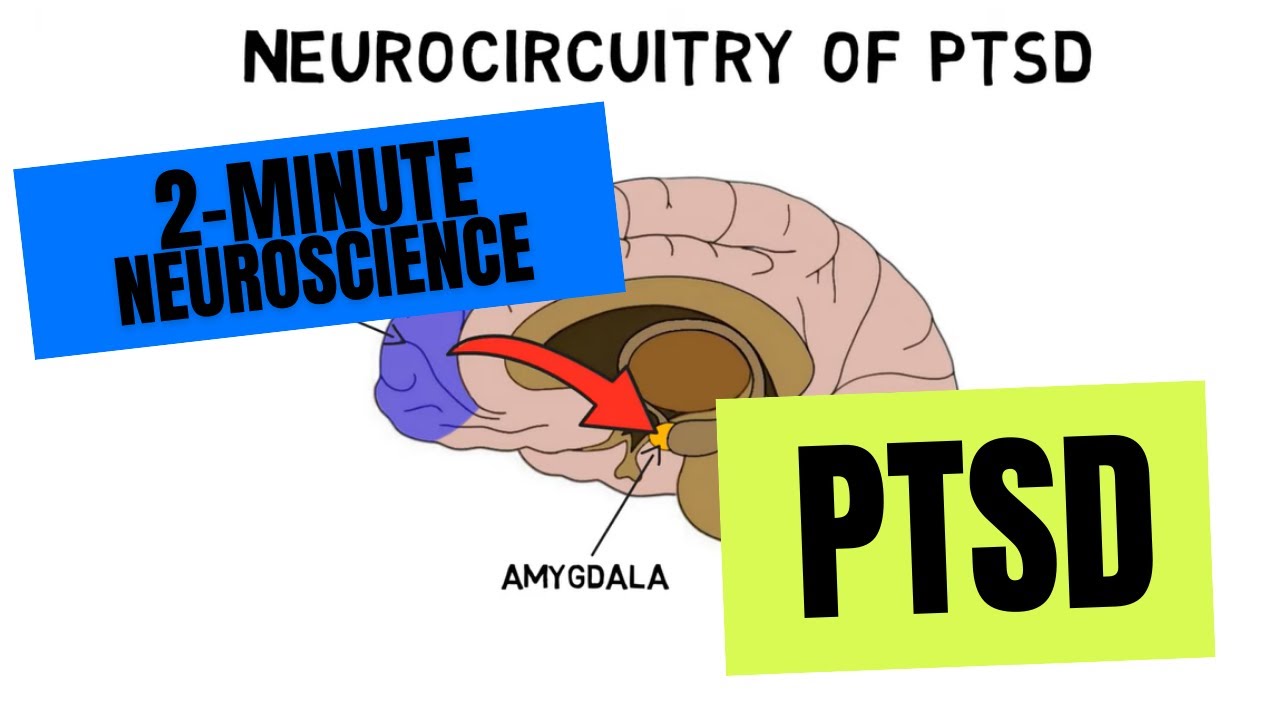
Neuroscientifically Challenged provides a brief educational overview of PTSD. This is not a TBI treatment video or a demonstration of our treatment protocols.
Theta-Burst Stimulation (TBS) is an advanced form of TMS that mimics the brain's natural theta rhythms. This accelerates cortical neuroplasticity, stimulating underactive brain networks to restore memory, executive control, and sensory balance.
Head injuries induce persistent, low-grade neuro-inflammation that prevents normal brain repair. Low-dose IV ketamine acts as a powerful anti-inflammatory and blocks the NMDA receptors, clearing the path for neural recovery.
Concussions physically damage synaptic pathways. Ketamine infusions trigger brain-derived neurotrophic factor (BDNF) release, stimulating dendrites and rebuilding synaptic links damaged by the physical impact.
We work hand-in-hand with your primary care physician, physical therapist, and neurologist to coordinate treatment timing, baseline cognitive testing, and objective milestone tracking.
Post-concussion symptoms can linger for months or years, disrupting work, relationships, and cognitive performance. At our Fairfax clinic, we specialize in non-invasive neuromodulation combined with advanced cellular-level infusions to break through stubborn recovery plateaus.
Dr. Siddharth Arora, DO, MS is a triple board-certified psychiatrist with fellowship training in brain stimulation from Duke University. We look beyond basic symptom management, targeting the physical networks that dictate memory, concentration, and emotional stability to foster true neurobiological repair.

A head injury can trigger a cascade of structural, inflammatory, and cognitive disruptions. Our interventional clinic targets these mechanisms at their source, relieving persistent symptoms that refuse to fade with rest alone.
Persistent difficulty concentrating, slow processing speed, and mental fatigue. Theta-Burst TMS stimulates blood flow and network activity in the dorsolateral prefrontal cortex to restore clarity.
Chronic tension or migraine-like headaches triggered by concussion injury. Ketamine blocks hyper-sensitized pain receptors in the trigeminal system, bringing lasting systemic relief.
Post-concussive insomnia or fragmented sleep architectures. Adjusting neural excitation and reducing pain helps reset the central nervous system for deeper, restorative sleep.
Concussions physically damage emotional pathways, leading to irritability, quick anger, and panic. Modulating amygdala pathways brings emotional stability and restores calm.
Difficulty planning, organizing, multitasking, or making complex decisions. Non-invasive magnetic pulses help re-engage networks and rebuild cellular lines of communication.
Chronic dizziness, balance problems, or motion-induced visual stress. Supporting standard vestibular physical therapy with neuroplasticity treatments helps speed up visual-vestibular integration.

Most new patients are seen within 24-48 hours of their initial inquiry. We accept major insurance, including Aetna, Blue Cross Blue Shield, Cigna, United Healthcare, and Tricare. TMS and Spravato may be covered for qualifying conditions, depending on your insurance and plan; not every plan covers them, and both require prior authorization. Insurance does not cover ketamine infusions, but it may cover your office visit. Complete the form or call us directly – our team will verify your benefits and schedule your first appointment.
Our interventional team specializes in ketamine infusion therapy and TMS (Transcranial Magnetic Stimulation) specifically tailored to post-concussive brain repair. We serve patients throughout Northern Virginia from our Fairfax clinic, including McLean, Vienna, Reston, Arlington, Falls Church, and the greater DC metro area.
