
Formerly
Care Clinic Infusions
SAD is a type of depression triggered by seasonal changes, typically winter. When light therapy and antidepressants aren't enough, ketamine and TMS offer rapid relief by targeting the brain's mood regulation directly.
Accepted Insurance & Partners


Reset Ketamine discusses ketamine infusions and winter blues. This external clinic video is informational; it does not establish a treatment outcome or describe Resova care.
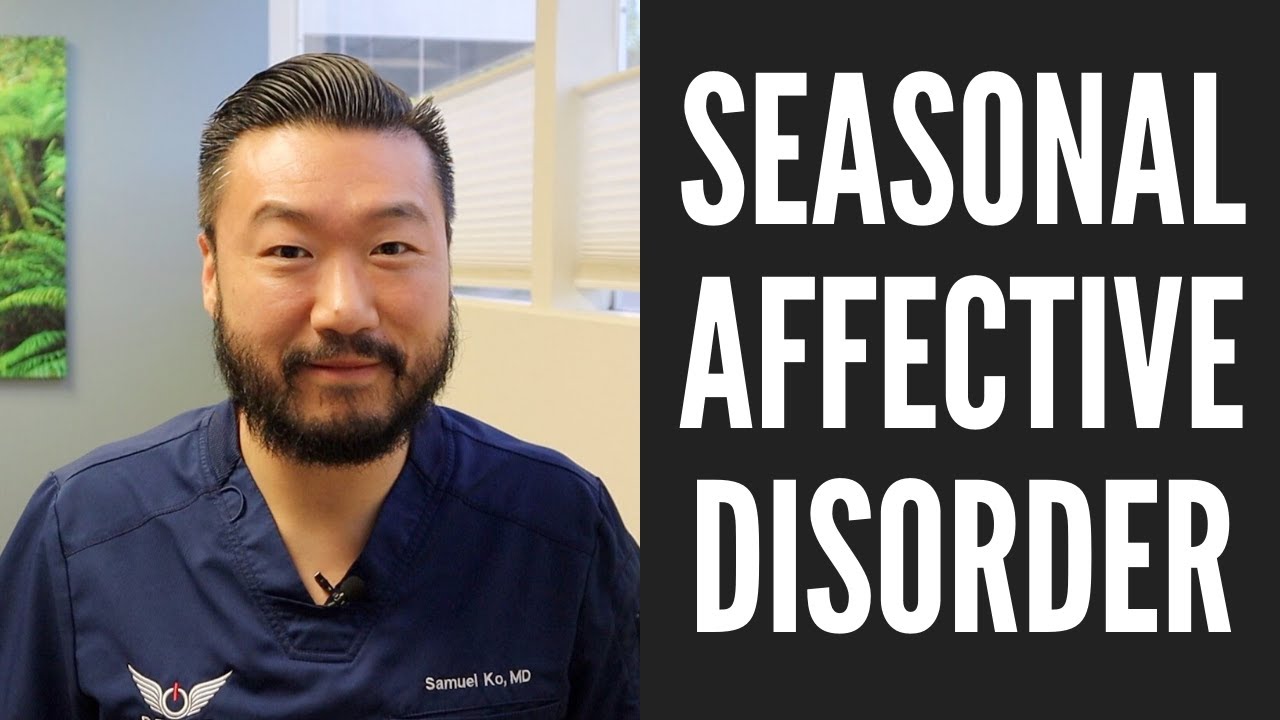
Seasonal affective disorder is a form of depression with a recurring seasonal pattern. NIMH describes research into serotonin, melatonin, and seasonal changes in daylight. A clinician can evaluate the pattern of symptoms and discuss options such as light therapy, psychotherapy, or medication.
Ketamine targets glutamate system, producing rapid mood improvement within hours to days. PubMed research shows it promotes synaptogenesis – growing new neural pathways. Addresses neurochemical disruption from seasonal changes faster than waiting weeks for SSRIs.
Johns Hopkins Medicine describes TMS as non-invasive magnetic stimulation used to treat depression. Its general depression guidance is not a prediction of an individual response to treatment for seasonal symptoms. Your clinician can review suitability and alternatives.
Treatment choice and timing depend on your symptoms, history and response. NIH/NIMH describes light therapy, psychotherapy and antidepressant medication as options for seasonal depression. Discuss which approach fits your needs and when to reassess progress with your clinician.
Seasonal depression can follow winter or summer patterns. NIMH describes different symptoms and treatment considerations for these patterns. Treatment should reflect your diagnosis, medical history, prior response, and preferences; improvement and timing vary from person to person.
Depression that begins in late fall or early winter and lifts in spring. Reduced sunlight affects serotonin and melatonin – ketamine and TMS can help regulate these neurotransmitters directly.
Less common form of SAD occurring in summer months. TMS can help regulate mood circuits when heat and humidity trigger depressive symptoms.
Pattern of depressive episodes occurring at the same time each year for at least 2 years. Ketamine can help break the cycle before it fully develops each season.
Patients who haven't found relief with light therapy alone. Ketamine offers a biologically different approach by targeting glutamate pathways.
SAD linked to disrupted biological clocks and sleep-wake cycles. TMS can help normalize circadian rhythm regulation in the brain.
Depression associated with low vitamin D levels from reduced sunlight. Ketamine can provide relief even when supplementation alone hasn't resolved symptoms.

Now that you understand what to expect during TMS therapy, the next step is a consultation with Dr. Arora. We'll review your medical history, discuss your treatment goals, and create a personalized plan tailored to your specific needs.
Your TMS journey begins with a single conversation. We'll verify your insurance coverage before your first session, explain the treatment timeline, and answer any questions you have about the process. Many patients feel relief simply knowing they have a clear path forward.
Our Fairfax clinic serves patients throughout Northern Virginia, including McLean, Vienna, Reston, Arlington, Falls Church, and the greater DC metro area. We're here to guide you through every step of your TMS treatment experience.

The Care Clinic is now Resova Health.
A new name and a bold new chapter in mental health care.The name is new. The purpose is not.

