
Formerly
Care Clinic Infusions
When therapy and medication have not given you your life back, ketamine and TMS offer a biologically different path forward. We specialize in rapid-acting treatments that target the root causes of trauma-related symptoms.
Accepted Insurance & Partners


Neuroscientifically Challenged provides a brief educational overview of PTSD. This video does not describe a ketamine or TMS treatment protocol.
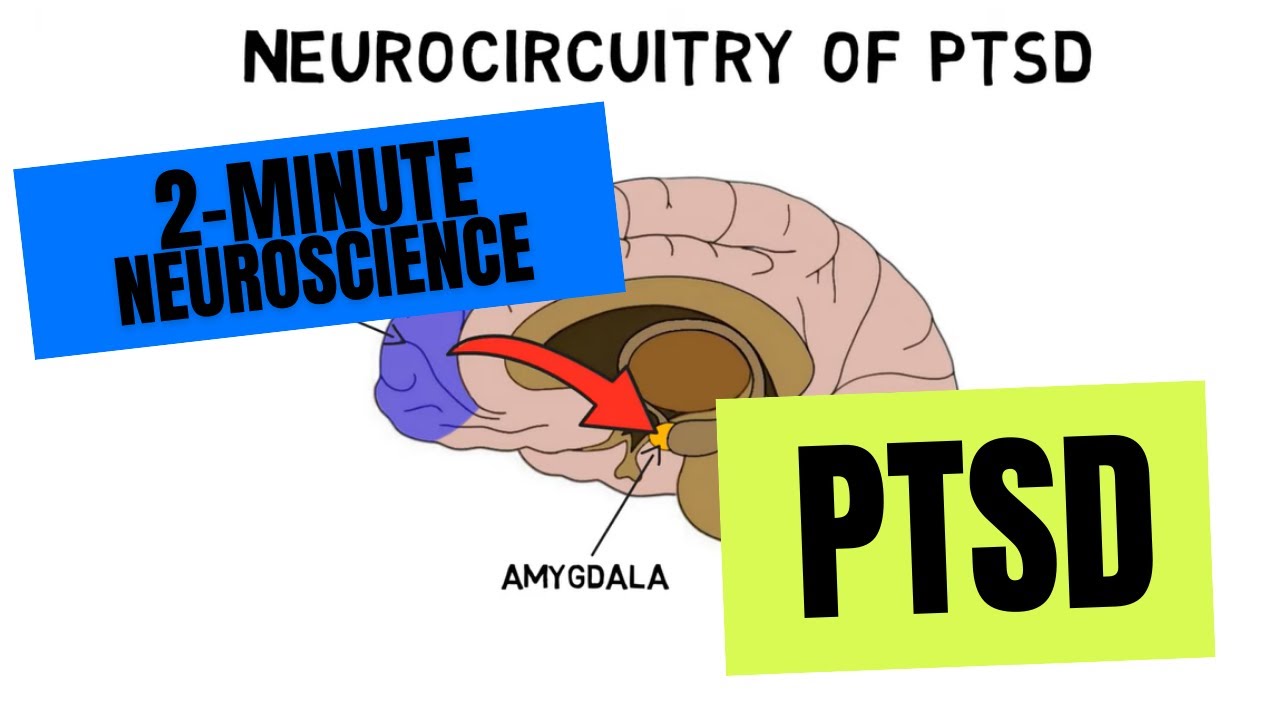
PTSD is rooted in how the brain processes traumatic memories. NIMH notes amygdala becomes hyperactive, prefrontal cortex loses regulatory control, hippocampus shrinks. Conventional medications address neurotransmitters but don't repair structural disruptions.
Ketamine promotes rapid synaptogenesis – growing new neural connections to help reprocess traumatic memory. PubMed research shows it targets glutamate receptors, resetting neural pathways disrupted by trauma.
Johns Hopkins Medicine describes TMS as non-invasive magnetic stimulation used to treat depression. This resource does not establish effectiveness for PTSD. Your clinician can review the evidence, suitability and alternatives for your diagnosis.
Care plans and follow-up schedules are individualized after evaluation. Ask how progress will be measured, when treatment will be reassessed and what alternatives are available. See Mass General Brigham for general information about ketamine therapy.
Finding effective treatment for PTSD in Northern Virginia should not feel impossible. At our Fairfax ketamine and TMS clinic, we specialize in advanced, evidence-based therapies for patients who have not found relief with therapy or medication alone.
Led by a triple board-certified psychiatrist with specialized training in neuromodulation from Duke University, our practice offers FDA-cleared Transcranial Magnetic Stimulation (TMS) and clinically supervised ketamine infusions. Whether you're struggling with combat trauma, sexual assault, childhood abuse, or other traumatic experiences, we provide personalized care that targets the root causes – not just the symptoms.
We understand that PTSD is not just memories – it's a complex neurological condition that affects how your brain processes fear and safety. Our approach combines rapid-acting ketamine with TMS to help restore neural pathways disrupted by trauma. Most new patients are seen within 24-48 hours, not the 4-8 week waits typical of other providers.

Post-traumatic stress disorder affects 7-8% of the population and can stem from various traumatic experiences. From combat trauma to childhood abuse, each trauma type involves distinct neural pathways. Research from NIMH shows ketamine and TMS can target the hyperactive amygdala and underactive prefrontal cortex driving PTSD symptoms, with 50-70% of treatment-resistant patients showing significant improvement in flashbacks and hyperarousal.
Trauma from military service, including combat exposure, deployment stress, and military sexual trauma. Ketamine and TMS can help reduce hyperarousal, nightmares, and hypervigilance that persist after service.
PTSD stemming from sexual violence, assault, or abuse. Ketamine's rapid action can help disrupt the neural loops that keep traumatic memories cycling, often providing relief within hours rather than months.
Complex PTSD from abuse, neglect, or adverse childhood experiences. TMS targets the prefrontal cortex to restore emotional regulation that was disrupted during critical developmental periods.
PTSD from serious accidents, car crashes, or life-threatening events. Ketamine promotes synaptogenesis to help the brain reprocess the traumatic memory and reduce flashbacks and avoidance behaviors.
PTSD from serious illness, surgery, or invasive medical procedures. TMS can help reduce the anxiety and hyperarousal that persist after medical treatment, allowing patients to move forward with their lives.
PTSD from emergency services work, including firefighters, police, EMTs, and dispatchers. Ketamine and TMS can help reduce the cumulative stress and trauma exposure that comes with serving in high-stress roles.

Most new patients are seen within 24-48 hours of their initial consultation. We accept major insurance including Aetna, Blue Cross Blue Shield, Cigna, United Healthcare, and Tricare. TMS and Spravato may be covered for qualifying conditions, depending on your insurance and plan; not every plan covers them, and both require prior authorization. Insurance does not cover ketamine infusions, but it may cover your office visit. Complete the form or call us directly – our team will verify your benefits and schedule your first appointment.
Our board-certified team specializes in ketamine infusion therapy and TMS (Transcranial Magnetic Stimulation) specifically for PTSD. We understand that trauma affects each person differently, and we design personalized treatment protocols based on your specific history and symptom profile. We serve patients throughout Northern Virginia from our Fairfax clinic, including McLean, Vienna, Reston, Arlington, Falls Church, and the greater DC metro area.
During your consultation, Dr. Arora will review your medical history, trauma history, PCL-5 scores, and previous treatments to determine if ketamine or TMS is right for you. We track outcomes objectively using standardized scales, not assumptions. We're here to help you find real relief from flashbacks, nightmares, and hyperarousal.
TMS, IV ketamine, Spravato and oral medications differ in how they are given, their risks and their follow-up needs. This overview can help you prepare for a consultation; it does not determine which treatment is right for you.
Scroll the table horizontally on smaller screens to compare all four options.
| Clinical Attribute | Transcranial Magnetic Stimulation (TMS) | IV Ketamine Infusion | Spravato® Esketamine | Oral Antidepressants |
|---|---|---|---|---|
| What it involves | Magnetic pulses delivered through a coil near the scalp while you are awake. | Ketamine given through an IV. Its use for psychiatric conditions is off-label. | Esketamine nasal spray administered under supervision for specific adult depression indications. | Prescription medicines with different mechanisms, benefits and risks. |
| Visit and follow-up | Repeated office visits; session length and schedule depend on the prescribed protocol. | Infusion and observation time depend on the treatment plan and your response. Ask about transport and driving restrictions. | At least two hours of monitoring at each treatment, followed by a clinical discharge assessment. No driving until the next day after restful sleep. | Dosing and follow-up are set with the prescribing clinician. |
| Risks to discuss | Scalp discomfort, headache and other side effects are possible. Seizures are a rare risk. | Sedation, dissociation, blood-pressure changes and misuse risks require medical evaluation and monitoring. | Sedation, dissociation, respiratory depression, blood-pressure changes and abuse or misuse risks require monitoring. | Side effects and medication interactions vary by drug. Discuss changes with your prescriber. |
| Coverage questions | Ask your plan about coverage for your diagnosis, prior authorization and out-of-pocket costs. | Ask for the cost of the proposed plan and whether any benefits apply. Reimbursement is not guaranteed. | Benefits, prior authorization and patient costs vary by plan. FDA approval does not guarantee coverage. | Ask your plan about formulary coverage, prior authorization and pharmacy costs. |
| Individual response | Benefit and timing vary; your clinician can discuss expectations and reassessment. | Benefit, duration and follow-up needs vary. A consultation does not guarantee a response. | Response varies. Spravato has not been shown to prevent suicide or reduce suicidal ideation or behavior; hospitalization may still be needed. | Response and tolerability vary; follow-up helps the prescriber assess the plan. |
Spravato is approved for treatment-resistant depression in adults. Discuss the prescribed regimen with your clinician. Its separate indication for depressive symptoms in adults with major depressive disorder and acute suicidal ideation or behavior requires an oral antidepressant. An outpatient appointment does not replace emergency care.
If you are in immediate danger, call 911. For crisis support, call 988 or text 988.
Sources: NIMH brain stimulation overview; FDA Spravato prescribing information; FDA ketamine risk information (archived).

The Care Clinic is now Resova Health.
A new name and a bold new chapter in mental health care.The name is new. The purpose is not.

