
Formerly
Care Clinic Infusions
PPD affects 1 in 5 new mothers – and standard antidepressants take 4–8 weeks to work when you need relief now. Ketamine and TMS offer a biologically faster path, evaluated and supervised by Dr. Arora at our Fairfax clinic.
Accepted Insurance & Partners


Mass General Brigham explains postpartum depression, including symptoms, risk factors and treatment. This educational overview is not evidence of rapid relief from ketamine or TMS.
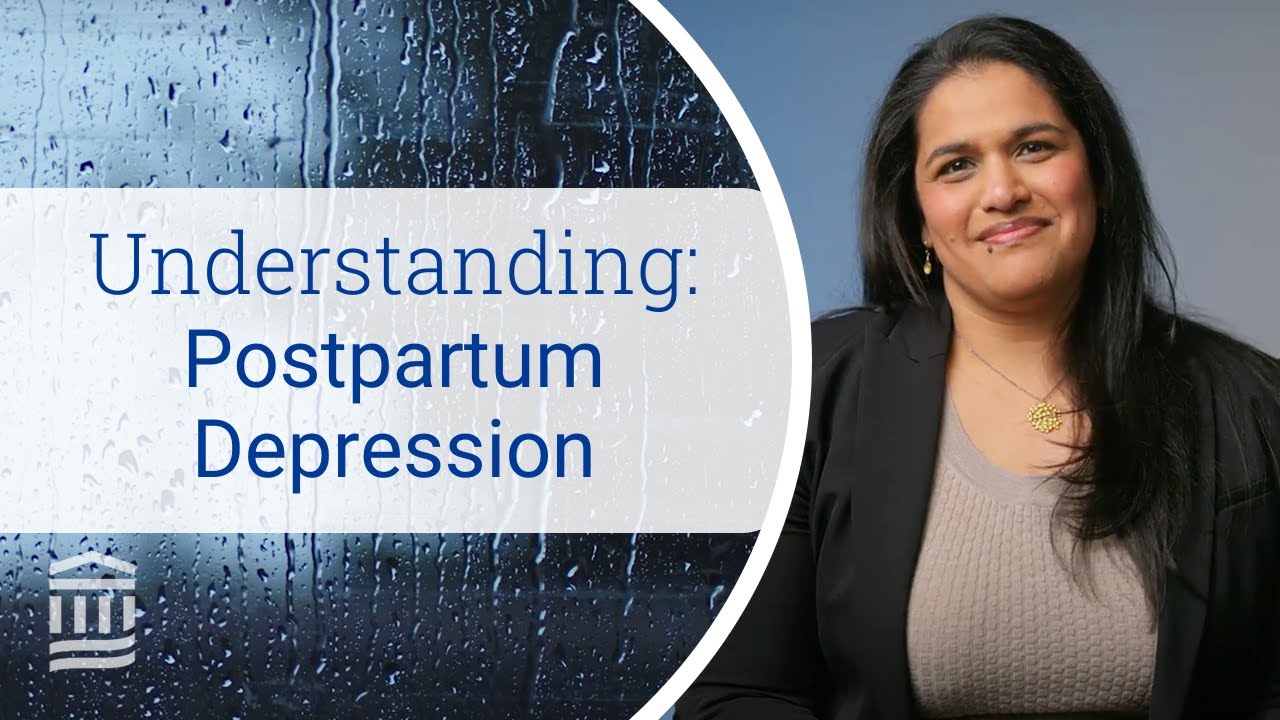
Perinatal depression can occur during pregnancy or after childbirth. NIMH describes several contributing factors, including genetics, life stress, the demands of childbirth, and hormonal changes. Treatment usually involves psychotherapy, medication, or both, with choices tailored to pregnancy or breastfeeding and individual needs.
Unlike antidepressants taking 4-8 weeks, ketamine produces meaningful mood improvement within 24-48 hours. PubMed research shows glutamate mechanism promotes synaptogenesis – growing new neural pathways. When you have a newborn, waiting months isn't acceptable.
Johns Hopkins Medicine describes TMS as non-invasive magnetic stimulation used to treat depression. This resource does not provide a breastfeeding-specific safety recommendation. Discuss postpartum treatment options and individual risks with your clinician.
Care plans and follow-up schedules are individualized after evaluation. Ask how progress will be measured, when treatment will be reassessed and what alternatives are available. See Mass General Brigham for general information about ketamine therapy. Tell your clinician if you are pregnant or breastfeeding before considering treatment.
Depression, anxiety, and other changes in mood after childbirth deserve a clinical assessment. NIMH explains that persistent or severe depressive symptoms differ from the short-lived baby blues. Discuss symptoms and treatment options with a clinician; recommendations depend on the diagnosis, health history, and individual circumstances.
Persistent sadness, hopelessness, and loss of interest in activities lasting more than 2 weeks after delivery. Ketamine's rapid action can provide relief when traditional antidepressants take too long to work.
Depression that begins during pregnancy and continues after delivery. TMS can help regulate mood circuits without medication exposure during pregnancy or breastfeeding.
Intense worry, racing thoughts, and physical symptoms of anxiety after childbirth. Ketamine can help calm the hyperactive neural circuits driving anxiety while allowing you to care for your baby.
Intrusive thoughts, compulsive behaviors, and excessive checking related to baby's safety. TMS targets the prefrontal cortex to reduce obsessive thoughts without sedation.
Severe condition with hallucinations, delusions, and disorganized thinking. This is a medical emergency requiring immediate psychiatric care – we provide stabilization support.
Postpartum depression that hasn't responded to SSRIs or therapy. Ketamine offers a biologically different path forward with rapid relief when traditional treatments have failed.
Postpartum depression is not the same as standard depression – it has a distinct hormonal trigger, a unique urgency, and different considerations around breastfeeding and infant care. Dr. Arora's psychiatric training and experience with PPD allows for an evaluation that accounts for all of these factors. We serve Fairfax, Vienna, McLean, Reston, Herndon, Woodbridge, Alexandria, and the DC metro area.
Most new patients are seen within 24–48 hours. We understand urgency – new mothers cannot wait months for a psychiatry appointment. Dr. Arora discusses nursing considerations at every evaluation and helps you make an informed decision about timing. We share session notes with your existing care team and can coordinate with your OB/GYN or midwife as needed.


Now that you understand what to expect during TMS therapy, the next step is a consultation with Dr. Arora. We'll review your medical history, discuss your treatment goals, and create a personalized plan tailored to your specific needs.
Your TMS journey begins with a single conversation. We'll verify your insurance coverage before your first session, explain the treatment timeline, and answer any questions you have about the process. Many patients feel relief simply knowing they have a clear path forward.
Our Fairfax clinic serves patients throughout Northern Virginia, including McLean, Vienna, Reston, Arlington, Falls Church, and the greater DC metro area. We're here to guide you through every step of your TMS treatment experience.

The Care Clinic is now Resova Health.
A new name and a bold new chapter in mental health care.The name is new. The purpose is not.

