Formerly
Care Clinic Infusions
Ketamine infusions help manage Complex Regional Pain Syndrome (CRPS) by interrupting central sensitization and reducing the nervous system's pain amplification. Evidence-based treatment for chronic burning pain.
Accepted Insurance & Partners


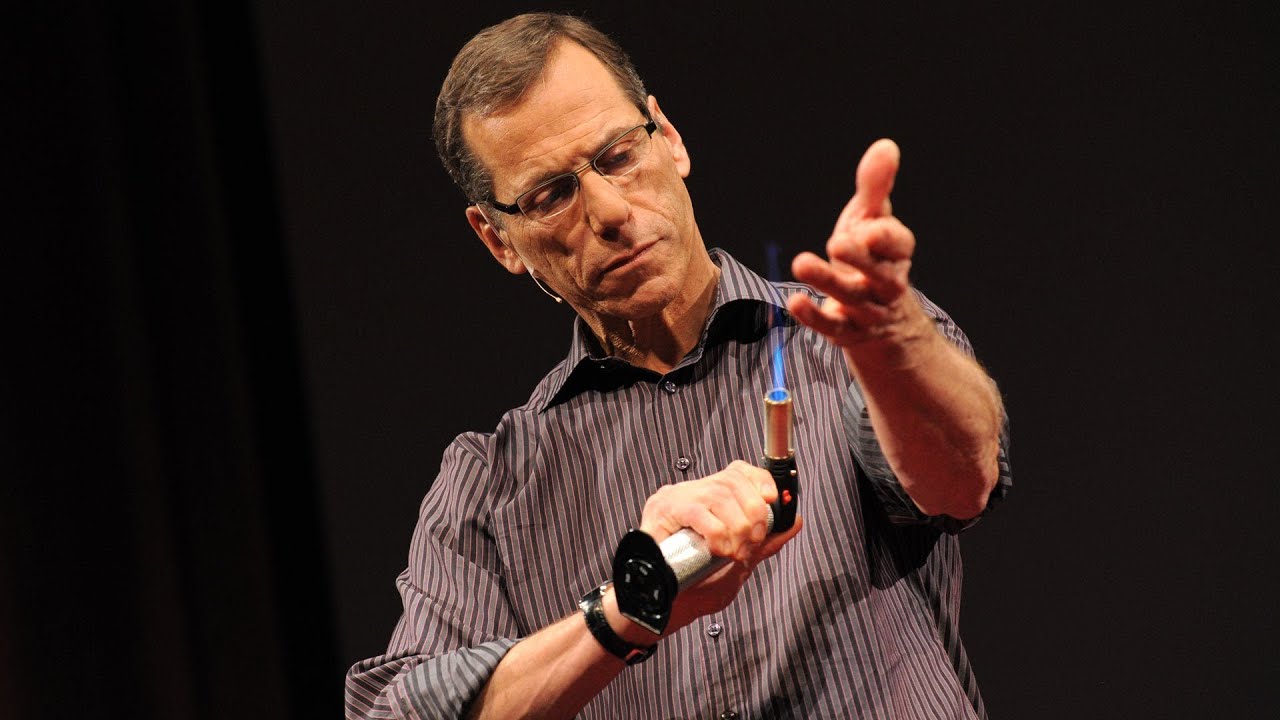
In this TED-Ed video, Elliot Krane explains chronic pain. The video provides general education; it does not establish the effectiveness of ketamine for CRPS.
CRPS involves severe central sensitization – CNS becomes hypersensitive, amplifying pain signals from affected limb. AAPM notes this is why CRPS patients experience burning pain disproportionate to initial injury. Nervous system gets stuck in high alert state.
Ketamine blocks NMDA receptors in spinal cord and brain, key to pain amplification. PubMed research shows interrupting glutamate surge driving central sensitization can reset nervous system's pain threshold. Addresses root cause of burning pain and touch sensitivity.
CRPS Type I (formerly RSD) occurs without confirmed nerve injury, Type II (causalgia) with confirmed nerve injury. ASA notes both types can benefit from ketamine, as underlying central sensitization mechanism is similar regardless of initial nerve damage.
Care plans and follow-up schedules are individualized after evaluation. Ask how progress will be measured, when treatment will be reassessed and what alternatives are available. See ASRA/AAPM/ASA consensus guidelines for general information about ketamine therapy.
Finding effective treatment for CRPS in Northern Virginia should not feel impossible. At our Fairfax ketamine clinic, we specialize in advanced, evidence-based therapies for patients who have not found relief with traditional pain management.
Led by a triple board-certified psychiatrist with specialized training in neuromodulation from Duke University, our practice offers clinically supervised ketamine infusions that target the root causes of central sensitization. Whether you're struggling with CRPS Type I, CRPS Type II, or chronic burning pain, we provide personalized care that addresses the underlying neurological mechanisms – not just the symptoms.
We understand that CRPS is not just pain – it's a complex neurological condition that affects how your nervous system processes signals. Our approach uses ketamine to block NMDA receptors and reset the nervous system's pain threshold. Most new patients are seen within 24-48 hours, not the 4-8 week waits typical of other providers.

Complex Regional Pain Syndrome affects 26 per 100,000 people annually and presents in different forms. From CRPS Type I to CRPS Type II, each subtype involves distinct autonomic and inflammatory pathways. Research from AAPM shows ketamine's NMDA receptor blockade can address central sensitization and wind-up phenomenon, with 60-70% of CRPS patients showing significant improvement in pain intensity, allodynia, and functional mobility.
Occurs after minor injury or trauma without direct nerve damage. Leads to severe sensory amplification, localized swelling, and skin temperature changes in the affected extremity.
Develops after a defined nerve injury. Pain spreads beyond the nerve distribution, characterized by intense burning sensations and extreme sensitivity to even light touch.
Constant, severe pain that feels hot or cold, often described as a throbbing or squeezing sensation, primarily caused by persistent autonomic system dysregulation.
A painful response to stimuli that are normally not painful, such as the touch of clothing, wind blowing across the skin, or a gentle touch from a family member.
An abnormally heightened sensitivity to pain. A mildly painful stimulus is felt as an excruciatingly painful sensation due to nervous system signal amplification.
Intense localized pain following surgery, fractures, sprains, or soft tissue injuries that persists far longer than expected and leads to central sensitization pathways.

Most new patients are seen within 24-48 hours of their initial consultation. For your office visit, we accept major insurance including Aetna, Blue Cross Blue Shield, Cigna, United Healthcare, and Tricare. Insurance does not cover the ketamine infusion itself. Complete the form or call us directly – our team will verify your benefits and schedule your first appointment.
Our board-certified team specializes in ketamine infusion therapy specifically for CRPS and chronic pain conditions. We understand that when traditional pain management hasn't worked, you need options that target the root causes of central sensitization. We serve patients throughout Northern Virginia from our Fairfax clinic, including McLean, Vienna, Reston, Arlington, Falls Church, and the greater DC metro area.
During your consultation, Dr. Arora will review your medical history, CRPS diagnosis, and previous treatments to determine if ketamine is right for you. We track outcomes objectively using standardized pain scales, not assumptions. We're here to help you find real relief from burning pain and sensitivity.

The Care Clinic is now Resova Health.
A new name and a bold new chapter in mental health care.The name is new. The purpose is not.

