
Formerly
Care Clinic Infusions
Complex PTSD arises from chronic, repetitive trauma rather than a single event. Where traditional talk therapies feel stuck, Ketamine-Assisted Psychotherapy (KAP) offers a biological reset to process trauma safely.
Accepted Insurance & Partners


Neuroscientifically Challenged provides a brief educational overview of PTSD. It is not a C-PTSD-specific video or a demonstration of ketamine treatment.
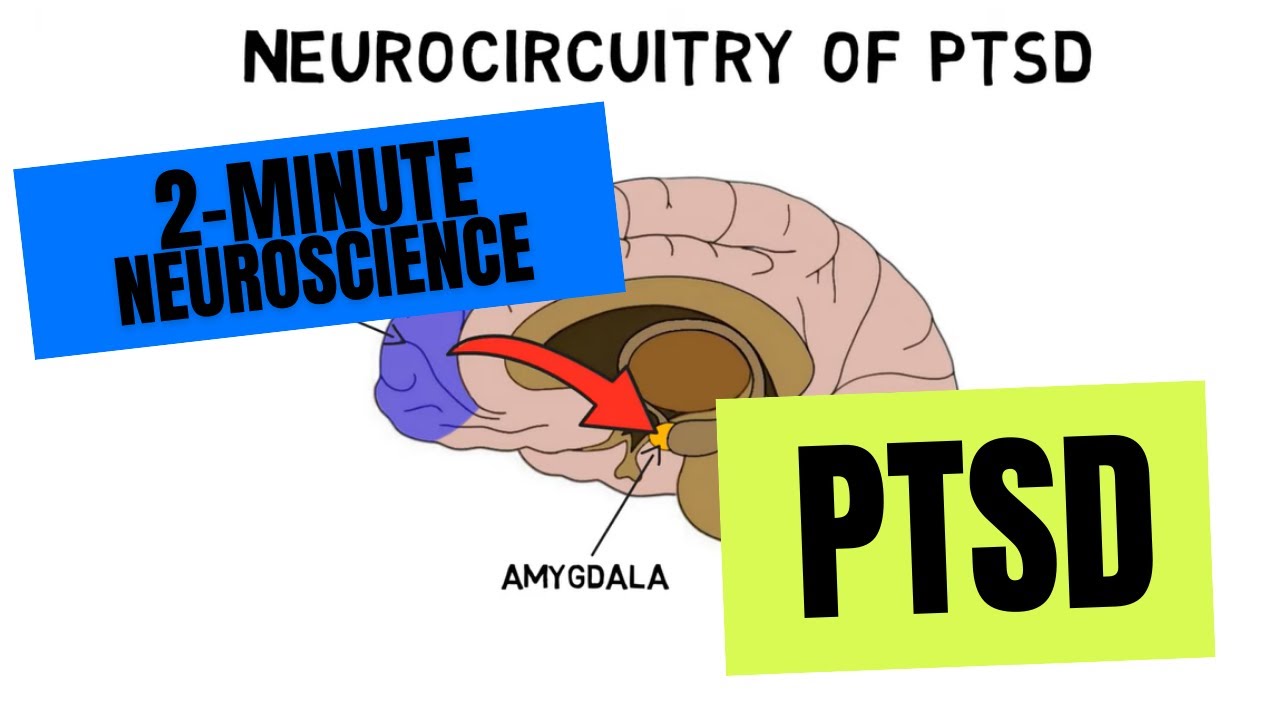
Chronic developmental trauma traps the nervous system in a constant fight, flight, freeze, or fawn state. Ketamine helps disrupt this autonomic loop by down-regulating hyperactive threat pathways.
By blocking NMDA receptors, ketamine triggers the rapid release of BDNF (Brain-Derived Neurotrophic Factor), rebuilding vital synaptic connections in emotional centers that have been worn down by prolonged stress.
C-PTSD patients often struggle to discuss trauma without feeling overwhelmed. Ketamine temporarily quiets the default mode network, enabling safe, calm therapeutic exploration during KAP sessions.
We coordinate closely with your primary therapist to schedule integration sessions within 24 to 48 hours post-infusion, capitalizing on the peak neuroplastic window to lock in therapeutic gains.
Complex PTSD requires a gentler, more structured approach than single-event trauma. At our Fairfax clinic, we specialize in board-certified psychiatric care utilizing specialized ketamine protocols specifically designed to support deep trauma resolution.
Led by Dr. Siddharth Arora, DO, MS—a triple board-certified psychiatrist with specialized fellowship training in brain stimulation from Duke University—we offer a collaborative care model. We evaluate your symptoms, trace your trauma history, and construct a targeted KAP integration plan to stabilize the neurobiological networks governing threat and safety.

Complex PTSD affects emotional regulation, self-concept, and relationships. Rather than treating it systemically, our interventional therapies target the specific brain centers responsible for emotional threat response, restoring healthy neurological balance.
Severe emotional volatility, sudden explosive anger, or persistent empty moods. Ketamine promotes rapid synaptic connectivity to stabilize prefrontal-amygdala mood regulation networks.
Feeling detached from your body, environment, or emotions. Re-establishing fronto-limbic connectivity helps patients ground themselves and reconnect with their physical presence.
Persistent shame, guilt, and feelings of failure. Quieting the default mode network through ketamine reduces recursive self-criticism, allowing room for self-compassion.
Chronic distrust, distance, or feeling constantly threatened by others. Calming hyperactive threat centers assists patients in building a secure sense of relational safety.
Insomnia, sudden startle responses, and chronic muscle tension. Calming neurotransmitter shifts down-regulate the sympathetic nervous system's fight-or-flight triggers.
Persistent intrusive memories, flashbacks, or trauma dreams. Neuroplastic restructures allow the brain to contextualize and file away traumatic memories properly.

Most new patients are seen within 24-48 hours of their initial inquiry. For your office visit, we accept major insurance, including Aetna, Blue Cross Blue Shield, Cigna, United Healthcare, and Tricare. Insurance does not cover the ketamine infusion itself. Complete the form or call us directly – our team will verify your benefits and schedule your first appointment.
Our interventional team specializes in Ketamine-Assisted Psychotherapy (KAP) designed for complex trauma and dissociative disorders. We serve patients throughout Northern Virginia from our Fairfax clinic, including McLean, Vienna, Reston, Arlington, Falls Church, and the greater DC metro area.

The Care Clinic is now Resova Health.
A new name and a bold new chapter in mental health care.The name is new. The purpose is not.

