Formerly
Care Clinic Infusions
Anxiety is the most common mental health condition in the US – and one of the most undertreated. When SSRIs, SNRIs, and therapy haven't brought real relief, ketamine and TMS offer a biologically different path forward.
Accepted Insurance & Partners


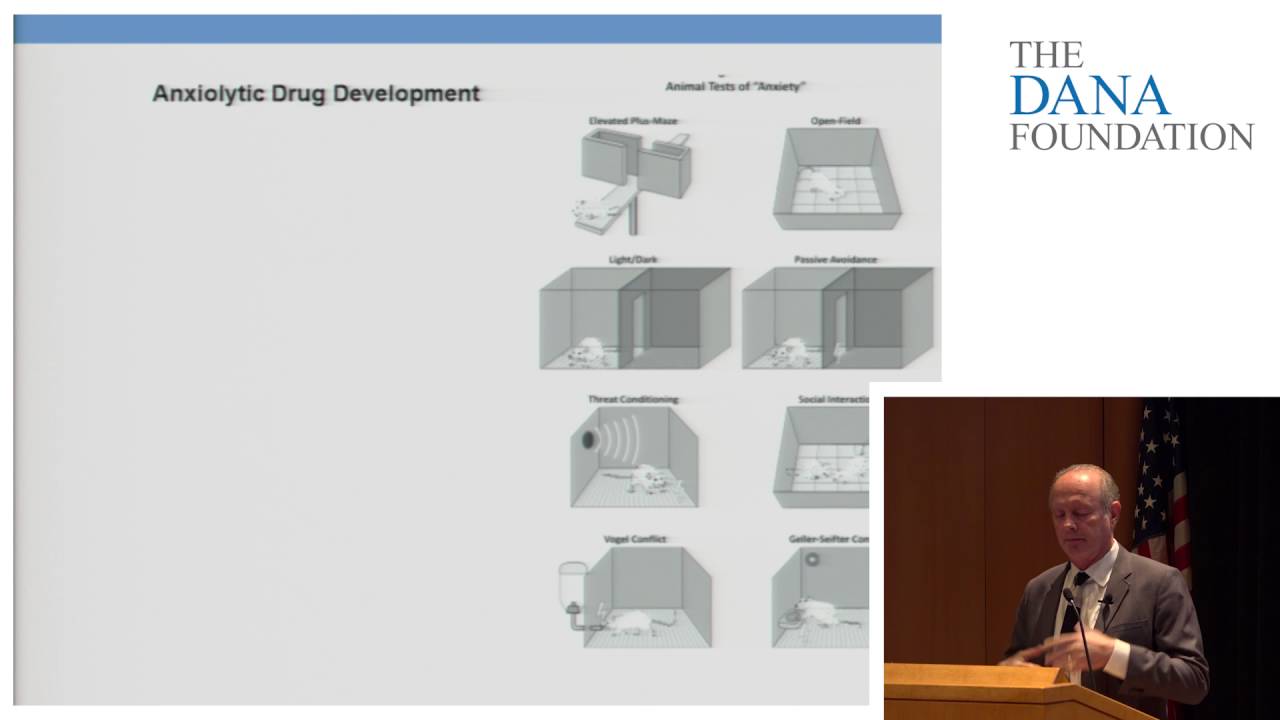
The Dana Foundation presents The Anxious Brain: The Neuroscience of Phobias. This educational video discusses phobias; it does not demonstrate ketamine or TMS treatment.
SSRIs and SNRIs work on serotonin system, helping many but leaving significant subset with persistent symptoms. NIMH notes approximately 30-40% of anxiety patients don't respond adequately to first-line medications. Ketamine and TMS target glutamate system and neural pathways directly, offering relief where serotonin-based medications failed.
A diagnosis alone does not establish whether ketamine is appropriate. A clinician should review your previous treatment, medical history and the evidence for your specific condition, including off-label use, risks and alternatives. See Cleveland Clinic for a general overview of ketamine therapy.
Johns Hopkins Medicine describes TMS as non-invasive magnetic stimulation used to treat depression. This resource does not establish effectiveness for anxiety disorders. Your clinician can review the evidence, suitability and alternatives for your diagnosis.
Mayo Clinic Press discusses ketamine for treatment-resistant depression, including potential benefits and limitations. That article does not establish effectiveness or a time to response for anxiety disorders. Your clinician can review the evidence and treatment alternatives for your symptoms.
An anxiety consultation is an opportunity to review your symptoms, previous treatment and goals with a clinician. Resova Infusions and TMS provides care in Fairfax, Virginia.
Ask which options are supported for your particular diagnosis, which uses are off-label, and how the potential benefits compare with risks and alternatives. An online description cannot establish whether a treatment is right for you.
Discuss how anxiety affects sleep, daily activities and relationships, and how you would assess progress together. Contact us for current appointment availability.

Anxiety disorders affect 18% of adults annually and manifest differently for everyone. From constant worry to sudden panic attacks, each subtype involves distinct neural circuits. Research from NIMH shows ketamine and TMS can target the hyperactive amygdala and restore prefrontal cortex regulation, with 50-60% of treatment-resistant anxiety patients showing significant improvement in symptoms and quality of life.
Persistent, excessive worry about everyday things – work, health, family, money – that feels uncontrollable. When SSRIs haven't calmed the constant mental chatter, ketamine and TMS target the neural circuits that keep anxiety running in the background.
Intense fear of social situations and being judged or embarrassed. TMS is particularly effective for social anxiety, targeting the brain regions that over-process social threat signals and helping you feel more at ease in social settings.
Sudden, repeated attacks of intense fear that peak within minutes – heart racing, shortness of breath, feeling like you're losing control. Ketamine's rapid action can help break the cycle of panic attacks when other treatments have failed.
Fear of situations where escape might be difficult or help wouldn't be available – crowds, open spaces, public transportation. We help you gradually reclaim your freedom through targeted neural pathway modulation.

Most new patients are seen within 24-48 hours of their initial consultation. We accept major insurance including Aetna, Blue Cross Blue Shield, Cigna, United Healthcare, and Tricare. TMS and Spravato may be covered for qualifying conditions, depending on your insurance and plan; not every plan covers them, and both require prior authorization. Insurance does not cover ketamine infusions, but it may cover your office visit. Complete the form or call us directly – our team will verify your benefits and schedule your first appointment.
Our board-certified team specializes in ketamine infusion therapy and TMS (Transcranial Magnetic Stimulation) specifically for anxiety disorders including generalized anxiety, social anxiety, panic disorder, and agoraphobia. We serve patients throughout Northern Virginia from our Fairfax clinic, including McLean, Vienna, Reston, Arlington, Falls Church, and the greater DC metro area.
During your consultation, Dr. Arora will review your medical history, current anxiety symptoms, and previous treatments to determine if ketamine or TMS is right for you. We understand that anxiety is not just worry – it's physical symptoms, sleep disruption, and the constant feeling that something is wrong. We're here to help you find real relief.
TMS, IV ketamine, Spravato and oral medications differ in how they are given, their risks and their follow-up needs. This overview can help you prepare for a consultation; it does not determine which treatment is right for you.
Scroll the table horizontally on smaller screens to compare all four options.
| Clinical Attribute | Transcranial Magnetic Stimulation (TMS) | IV Ketamine Infusion | Spravato® Esketamine | Oral Antidepressants |
|---|---|---|---|---|
| What it involves | Magnetic pulses delivered through a coil near the scalp while you are awake. | Ketamine given through an IV. Its use for psychiatric conditions is off-label. | Esketamine nasal spray administered under supervision for specific adult depression indications. | Prescription medicines with different mechanisms, benefits and risks. |
| Visit and follow-up | Repeated office visits; session length and schedule depend on the prescribed protocol. | Infusion and observation time depend on the treatment plan and your response. Ask about transport and driving restrictions. | At least two hours of monitoring at each treatment, followed by a clinical discharge assessment. No driving until the next day after restful sleep. | Dosing and follow-up are set with the prescribing clinician. |
| Risks to discuss | Scalp discomfort, headache and other side effects are possible. Seizures are a rare risk. | Sedation, dissociation, blood-pressure changes and misuse risks require medical evaluation and monitoring. | Sedation, dissociation, respiratory depression, blood-pressure changes and abuse or misuse risks require monitoring. | Side effects and medication interactions vary by drug. Discuss changes with your prescriber. |
| Coverage questions | Ask your plan about coverage for your diagnosis, prior authorization and out-of-pocket costs. | Ask for the cost of the proposed plan and whether any benefits apply. Reimbursement is not guaranteed. | Benefits, prior authorization and patient costs vary by plan. FDA approval does not guarantee coverage. | Ask your plan about formulary coverage, prior authorization and pharmacy costs. |
| Individual response | Benefit and timing vary; your clinician can discuss expectations and reassessment. | Benefit, duration and follow-up needs vary. A consultation does not guarantee a response. | Response varies. Spravato has not been shown to prevent suicide or reduce suicidal ideation or behavior; hospitalization may still be needed. | Response and tolerability vary; follow-up helps the prescriber assess the plan. |
Spravato is approved for treatment-resistant depression in adults. Discuss the prescribed regimen with your clinician. Its separate indication for depressive symptoms in adults with major depressive disorder and acute suicidal ideation or behavior requires an oral antidepressant. An outpatient appointment does not replace emergency care.
If you are in immediate danger, call 911. For crisis support, call 988 or text 988.
Sources: NIMH brain stimulation overview; FDA Spravato prescribing information; FDA ketamine risk information (archived).

The Care Clinic is now Resova Health.
A new name and a bold new chapter in mental health care.The name is new. The purpose is not.

